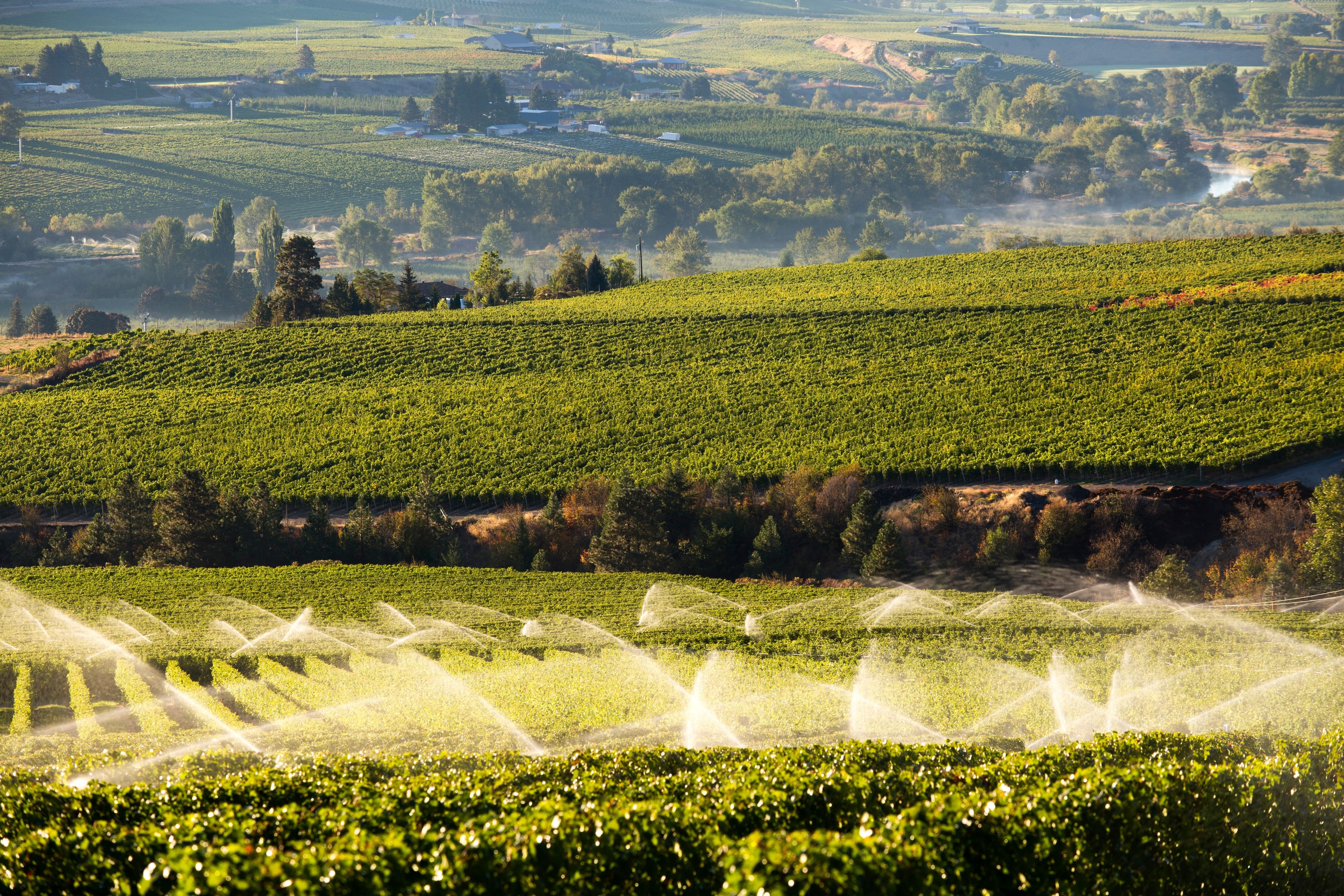
Declining groundwater levels and increasing pressure under the Sustainable Groundwater Management Act are changing how California wine growers think about water. What was once largely an operational concern is now directly tied to long-term viability, regulatory compliance, and sustainability planning.
These issues were front and center during a session at the 2025 WIN Expo, where vineyard operators, hydrologists, and county leaders discussed how groundwater management is evolving and what growers can do to stay ahead. Moderated by Val King, Director of Channel Partnerships at Verdi, the session underscored a clear reality. There is no single solution, but there is a shift toward local control, better data, and practical changes in vineyard management.
SGMA Was Built to Be Local, Not One-Size-Fits-All
SGMA is often misunderstood as a rigid, top-down mandate. In reality, it was designed around California’s variability in geology, climate, and water availability.
Instead of a one-size-fits-all approach, SGMA places responsibility with local Groundwater Sustainability Agencies, which develop plans based on basin conditions. As Marcus Trotta, Principal Hydrologist and SGMA Plan Manager at Sonoma Water, explained, “having a one size fits all, this is how you all have to manage groundwater, was never going to work here in California.”
For growers, the takeaway is straightforward. Participation matters. Local agencies rely on shared data and grower input to build workable plans. If agencies fail to act, the state can step in temporarily, but long-term management always returns to the local level.
SGMA is less about enforcement today and more about forcing better planning before problems become irreversible.
Improving Infiltration Starts in the Vineyard
Policy sets the framework, but many of the most impactful changes happen in the vineyard. Improving infiltration and soil water-holding capacity is one of the most direct ways growers can influence groundwater outcomes.
Building organic matter through compost, cover cropping, and reduced tillage helps soils absorb and store more water. David Gates, Vice President of Vineyard Operations at Ridge Vineyards, highlighted how early-season conditions shape outcomes, noting that “those first rains, if they’re hitting dry soil, they tend to seal the soil,” limiting infiltration later in the season.
That makes winter vineyard floor management critical. Ground cover, straw ahead of early storms, and simple water-slowing features like berms or swales can help keep water on-site longer. Avoiding compaction and bare ground further supports infiltration during recharge periods.
Why Groundwater Risk Is More Complex Than It Looks
Groundwater conditions are rarely uniform, especially in coastal California. Some areas draw down quickly and rebound just as fast. Others decline slowly and recover with difficulty. That variability makes simple answers unrealistic.
As Will Drayton, Director of Technical Viticulture, Sustainability and Research at Treasury Wine Estates, put it, “there really is no silver bullet.” Resilience comes from stacking practical, site-specific actions over time.
Those actions include soil and floor management, slowing and absorbing winter water, and improving surface water systems so less water leaves the basin during high-flow events. Underlying all of it is measurement. Better monitoring helps growers and agencies understand what is working and where adjustments are needed.
What This Means for Wine Growers
Across the panel, a few themes were consistent:
- Groundwater management is becoming more local
- Winter water is an opportunity when managed well
- Vineyard practices directly affect infiltration and recharge
- Measurement and shared data are increasingly essential
SGMA is accelerating a shift toward more intentional water management, with growers playing a central role. Groundwater security will be built through informed decisions and steady adaptation, block by block and season by season.
Turning Better Data Into Easier SGMA Reporting
As groundwater management becomes more local and data-driven, growers face a familiar challenge: documenting water use without adding administrative burden.
Measurement is foundational under SGMA. Clear records of how much water was applied, when, and where are becoming increasingly important.
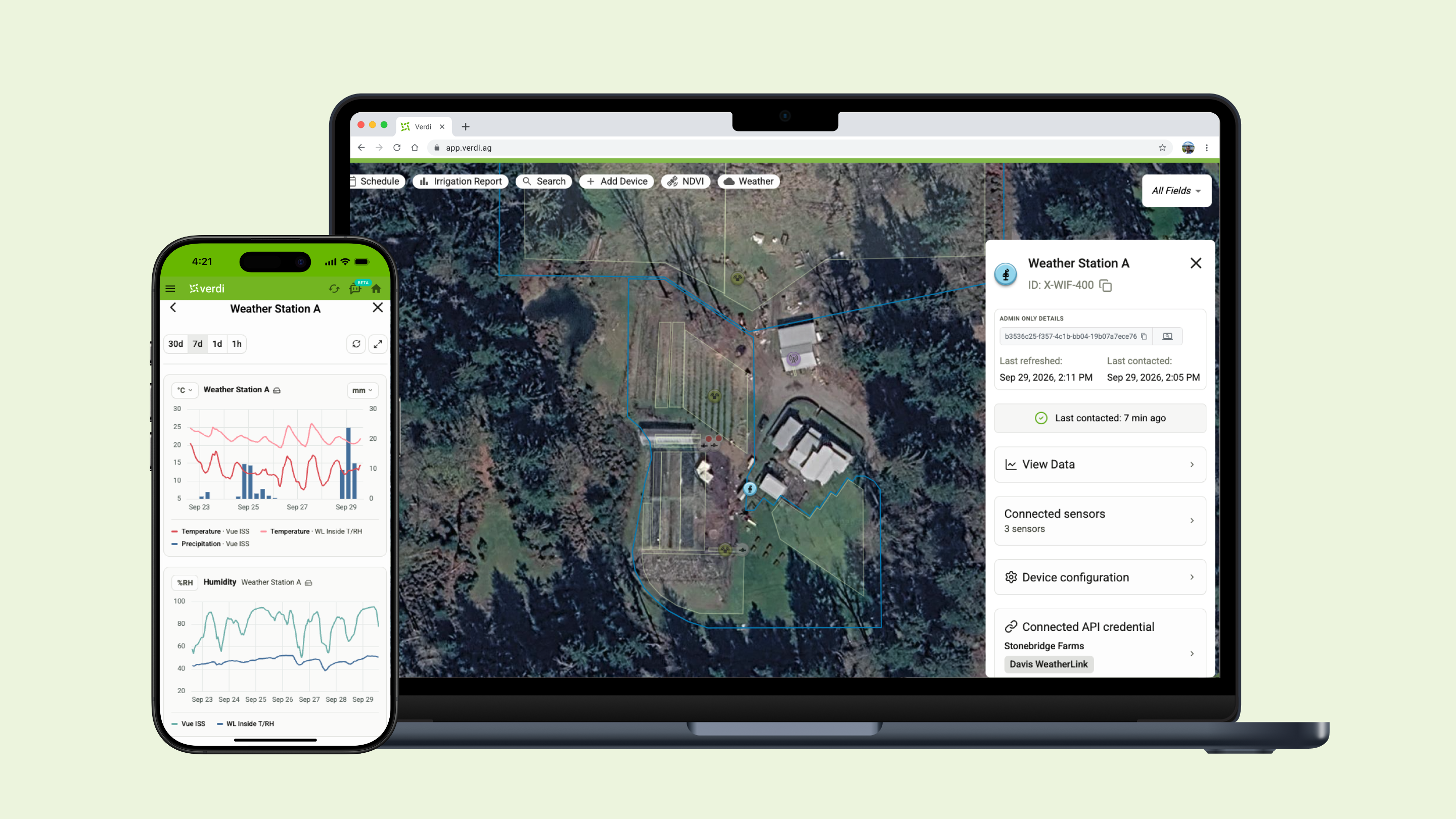
Verdi supports this by creating a live, historical water record at the block level. These records help growers manage irrigation more precisely and make SGMA reporting and local data-sharing easier as requirements evolve.
The goal is not more technology. It is less guesswork, fewer surprises, and clearer documentation that aligns daily irrigation decisions with long-term groundwater sustainability.
Learn How Verdi Supports SGMA Reporting
If you are thinking about how to simplify irrigation management while preparing for evolving SGMA requirements, Verdi can help.
Verdi retrofits onto existing irrigation systems to automate valves and pumps, verify irrigations actually ran, and generate accurate water records by block. Those records support both operational decisions and SGMA reporting, without adding extra steps for your team.
Book a demo to see how Verdi helps growers automate irrigation and maintain clear water records for SGMA reporting.
_16_9.png)